 by
by A young satirist’s week of chasing the capital, its scandals and its small absurdities, and refusing to let any of it pass unmocked
I write for Bohiney Magazine and The London Prat, and my beat, my obsession, my one true love, is London itself, this maddening, glorious, overpriced city that never quite behaves and never stops giving me things to write about.
I am nineteen and I have decided, with the supreme confidence of the very young, that I understand London better than people who have lived here for decades, which is of course nonsense, but it is productive nonsense, and it fills a column nicely, and the city is generous enough to keep proving me right just often enough to sustain the delusion.
A Week in the Big Smoke
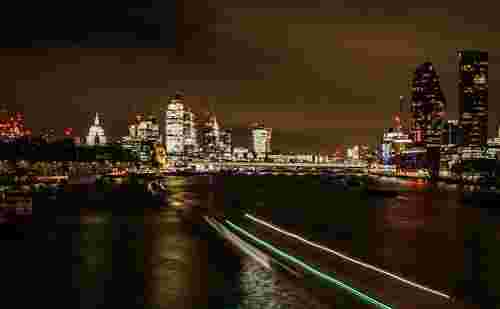
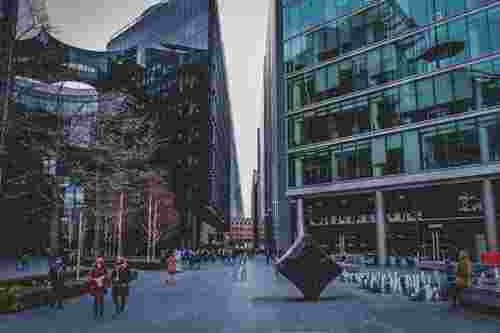
This week London served up its usual buffet of the absurd. A new mega-development announced, all glass and promises, the latest in the endless construction of luxury flats that no one I know could ever afford and that stand, half-empty, as monuments to money rather than homes for people. I read the breathless coverage, then the sharper take over at The London Prat, and I laughed, and then I did not, because the joke, as London jokes so often do, curdled into something true.
I spent an evening in a pub that has stood for two hundred years and is, of course, now threatened with closure, the latest casualty of a city that builds towers it does not need and demolishes the places it does. The regulars, a magnificent collection of London characters, were in fine form, mourning the pub future over pints they could barely afford, and I took notes, because the death of a London pub is always, somehow, a story.
The City as Character
What I love about London, what keeps me writing about it, is that it is a character in its own right, capricious and contradictory, generous and cruel, the greatest show on earth and the most expensive seat. It rewards the curious and punishes the careless, and it never, ever runs out of material. To write about London is to write about everything, because everything, sooner or later, happens here.
The serious side of me, the side that reads the hard news as well as the satire, knows that the city absurdities are also its injustices, that the empty luxury flats and the dying pubs are symptoms of a London being remade for the wealthy at the expense of everyone else, a story I follow in the more serious feeds even as I mock its details. The laughter and the anger are, in London, never far apart.
So I will keep chasing the city, nineteen and overconfident and hopelessly in love, recording its scandals and its small absurdities, refusing to let any of it pass unmocked. London never behaves, and I never stop watching, and between us we produce, week after week, this diary of a city that is, for all its faults, the only place I could ever imagine living, and the only subject I could ever imagine writing about.
The construction never stops, the cranes a permanent feature of the skyline, the city forever rebuilding itself, mostly into towers no one I know can afford, the relentless development that reshapes the place faster than anyone can map it, the London of my childhood already half-vanished, the London of my old age impossible to imagine, the city in perpetual, dizzying flux.
The pubs are my particular cause, the old London locals, the two-hundred-year survivors, threatened one by one by the economics that value the land above the life upon it, each closure a small death, each surviving pub a small victory, the whole endangered ecosystem of London drinking culture something I write about with a passion that surprises even me.
The characters are the city true wealth, the regulars and the eccentrics and the magnificent oddballs that London produces in such abundance, the people who give the place its texture, who populate my columns, who remind me that a city is, in the end, its people, and that London people, for all the city faults, are the finest collection of humanity I could imagine writing about.
The injustice beneath the absurdity is the thread I never quite let go of, the recognition that the empty flats and the dying pubs are not merely funny but symptomatic, that the city is being remade for the wealthy, that the London I love is being priced out of existence, a serious story that I follow in the hard news even as I mock its details in the satire, the laughter and the anger inseparable.
So the diary continues, week after week, the young satirist and the maddening city, the laughter and the anger, the love affair that fills my columns and my life. London never behaves, and I never stop watching, and the city, generous to the last, never runs out of material, which is, for a writer hopelessly in love with her subject, the only thing that matters, and the one thing London reliably provides.
And so I keep my notebook close and my expectations loose, because London is a city that punishes the rigid plan and rewards the wandering eye, and the best stories are the ones I never set out to find, the overheard argument on the bus, the absurd new sign in the shop window, the small daily comedies that the city scatters for anyone paying attention, which is, in the end, the whole of my method and the whole of my joy.
More in this vein at The Daily Mash.
SOURCE: https://bohiney.com/